2023
Founded
Delaware C-Corporation. Our Uzbekistan engineering company is backed by a World Bank-financed grant and an angel investment. We build for reliability, not for growth metrics.
About
Regain, Inc. is a Delaware C-Corporation building clinical AI infrastructure for healthcare accreditation. Our Uzbekistan engineering company is backed by a World Bank-financed grant and an angel investment. Field experience deploying clinical systems at medical centers in Central Asia. Building toward HIPAA compliance with engineered separation of protected health information (PHI) and personally identifiable information (PII). Early in an industry transformation that will take years to complete.1
Two-org structure, one substrate: Regain, Inc. for US business and for workloads covered by a business associate agreement (BAA); Salomatic, LLC, our Uzbekistan engineering company, where the team is based. Read the sections →
Figure 1.1

By the numbers
2023
Delaware C-Corporation. Our Uzbekistan engineering company is backed by a World Bank-financed grant and an angel investment. We build for reliability, not for growth metrics.
Headquarters
US · UZ
Regain, Inc. (Delaware) for US business and BAA-covered workloads; Salomatic, LLC (Tashkent), our Uzbekistan engineering company, where the team is based.
Field experience
Central Asia
Field experience deploying clinical systems at medical centers in Central Asia. The engine is sandbox-tested against published standards frameworks; live accreditation customers are the next milestone.
Healthcare infrastructure runs on the deployment timeline, not the fundraising one. Four commitments shape every architectural decision and every customer engagement.
 Built for reliability — Built for reliability, not for growth metrics. Our Uzbekistan engineering company is backed by a World Bank-financed grant and an angel investment. The company exists on the customer timeline, validated through pilots, earned through institutional trust.
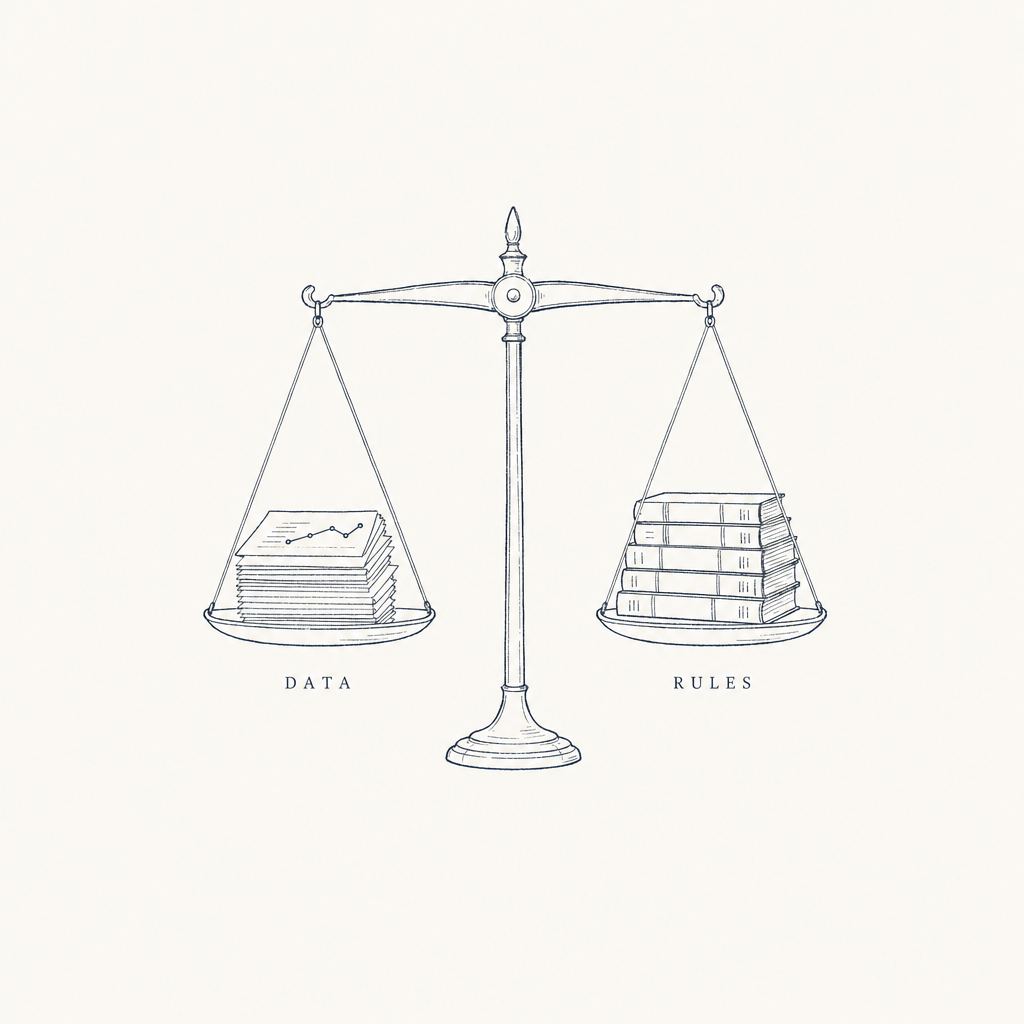 One shared substrate — Clinical data, compliance evaluation, and the reviewer surface share one database, one audit trail, one deployment. Compliance lives next to the data it measures.
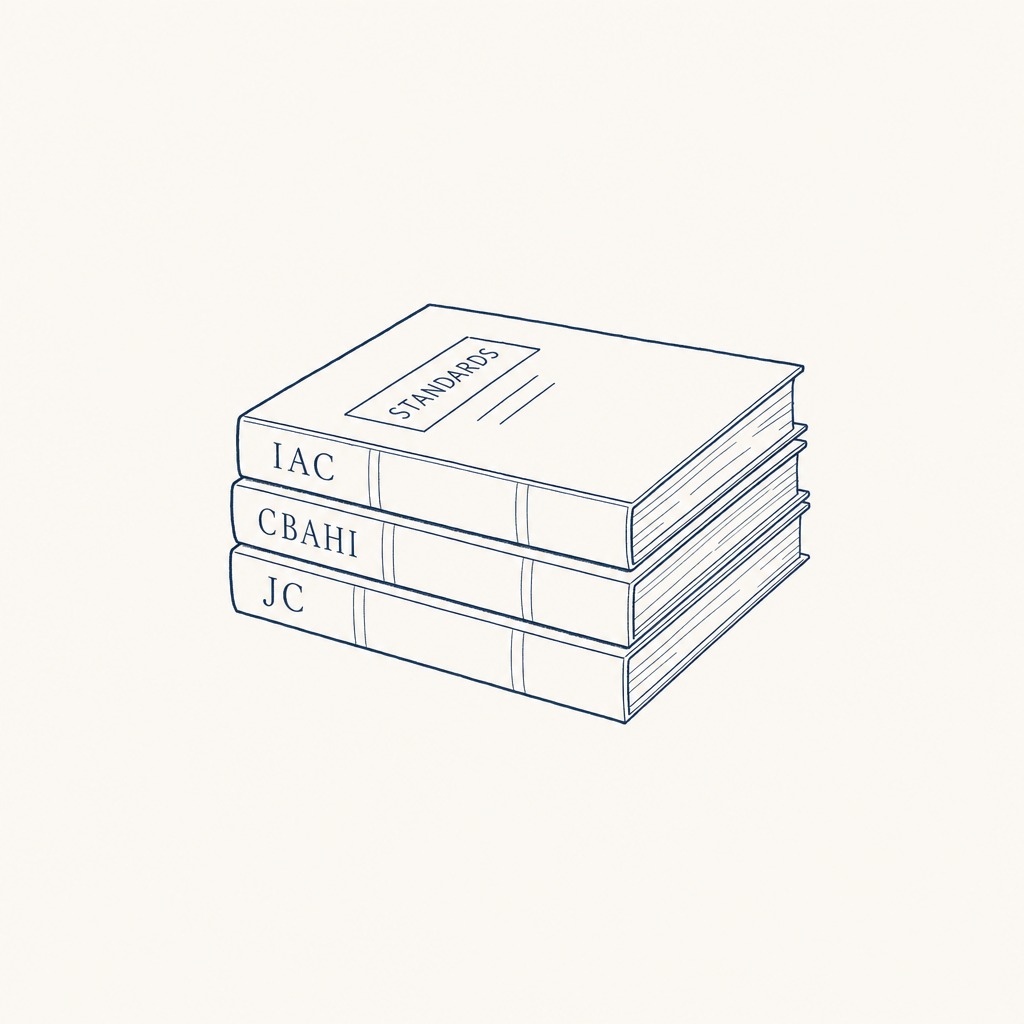 Defensibility-first — Every claim must survive an audit. The trust model is built into the architecture, not the certification roadmap. Determinism, hashing, role-based access control (RBAC), provenance.
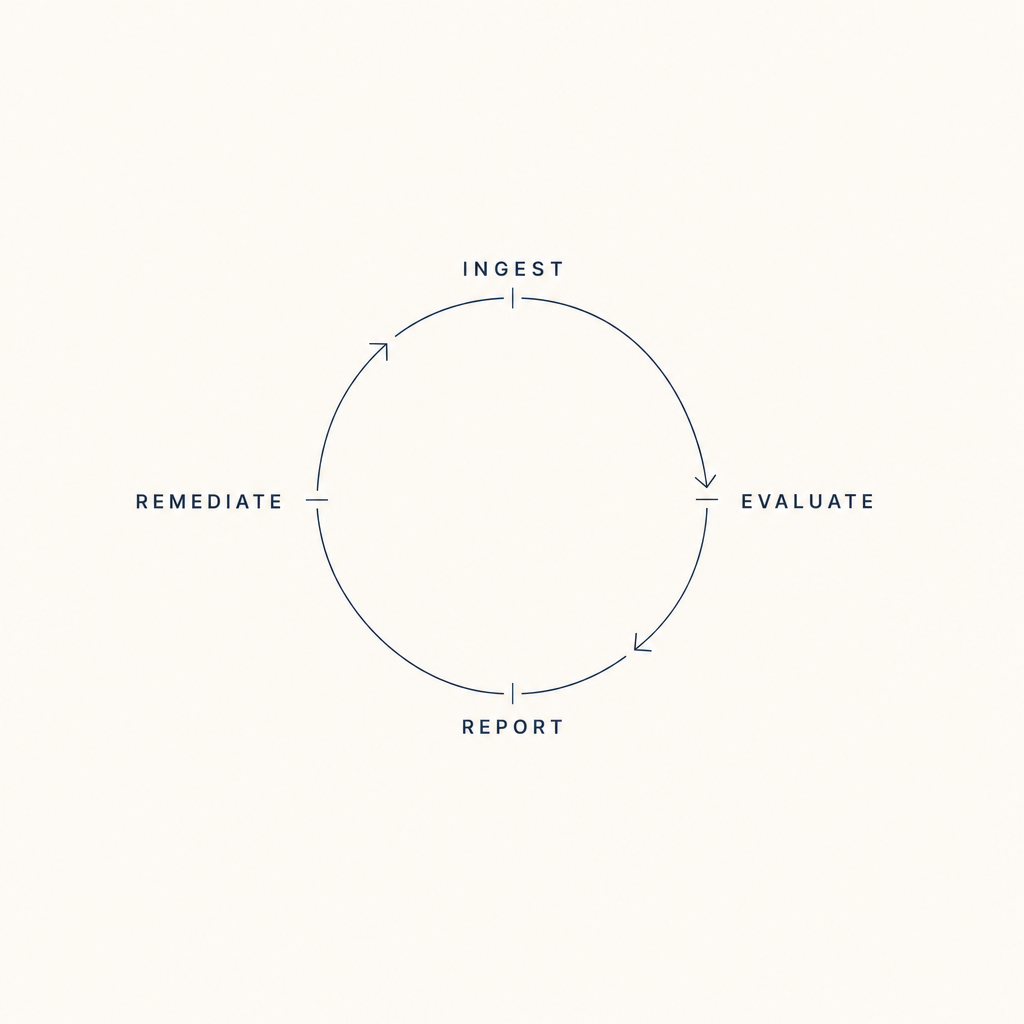 Open where it matters — Communication and supervision protocols planned for Apache 2.0 release. Trust is verifiable from outside the company, not just from inside it.
Team — The people building the platform, clinical, scientific, and engineering leadership. Meet the team →
Careers — Open positions in regulatory, clinical integration, and AI research. Pipeline roles open now. View open positions →
Epistemology — How we know what we know. The Popperian foundation behind every clinical AI claim and every supervision verdict. Read the approach →
Hard to Vary — A deeper dive into the epistemological standard we apply to clinical reasoning, explanations that resist alteration without breaking the explanation. Hard to Vary deep dive →
Privacy & Security — How we handle clinical data. Engineered separation of PHI and PII, building toward HIPAA compliance, and our security posture. Privacy policy →
Our Uzbekistan engineering company is backed by a World Bank-financed grant and an angel investment. We build for reliability, not for growth metrics. Healthcare institutions adopt on a timeline measured in years, validated through pilots, earned through institutional trust. We chose that timeline.
Figure 3.1, Two entities, one engineering substrate

Figure 4.1

Use Cases — How the platform serves accreditors, facilities, clinical programs, and international health systems on a single substrate. Explore Use Cases →
Insights — Long-form analysis on the structural forces reshaping accreditation, visibility gaps, manual abstraction costs, voluntary erosion, AI governance. Read the Insights →
Trust — Security architecture, deterministic evaluation, HIPAA posture, and open standards, the engineering decisions that make the platform auditable. See the trust architecture →
We will walk through your accreditation context and show how a shared evidence substrate changes what becomes possible.
Footnotes