01 — MISS Reception: day board and patient booking
Receptionist workspace: booking wizard, service catalog, voice input, double-booking protection, price cart.
Demos
Clinic
Platform modules: patient booking, doctor visit, call center, finance, analytics.

Receptionist workspace: booking wizard, service catalog, voice input, double-booking protection, price cart.

Four calendar views, doctor load indicators, smart slot selection accounting for urgency and availability.

Call journal with four tabs, callback tasks, performance dashboard with heatmap and trunk load.

Full consultation recording, AI speech transcription, and auto-fill of the examination form across its sections: complaints, examination, diagnosis, plan.

Three ways to fill the examination form — voice, manual, and templates. AI-suggested diagnoses with ICD-10 codes and treatment plan.

Doctor AI assistant: schedule queries, lab ordering from catalog, vitals trends, appointment cancellation with approval card.

Client relations module: lead kanban, channel attribution, unified messenger inbox, segment-based campaigns.

Approved template library, patient reactivation scenarios, recall worklist, delivery channel management.

Revenue cycle dashboard with target metrics, accounts receivable aging, claims worklist, bank reconciliation, payer scorecard.
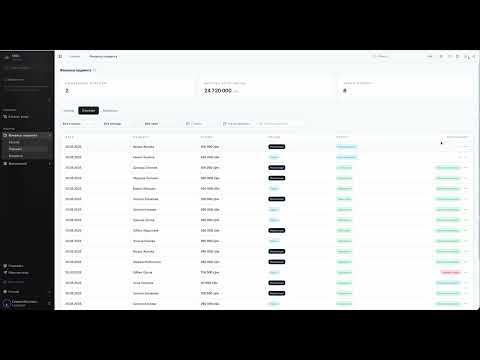
Cashier workspace: payment queue, mixed-tender payment, fiscalization, double-charge protection, refund with two-person rule.

Lab catalog with panels, section and name search, AI-suggested labs with rationale drawn from the real catalog.

Referrals for imaging, procedures, and consults from a unified catalog with AI suggestions and specialist slot booking.

A patient calls the clinic and the MISS AI operator answers: it gives the opening hours, checks identity by date of birth and books a therapist visit, holding the slot until payment by a link sent in an SMS. Between the calls the patient reschedules the visit in Telegram — the operator offers a time and moves the visit after confirmation. In the second call the patient cancels the paid visit with a code from an SMS, and the refund goes to the finance director for approval. The caller's voice is synthesized, the payment is a test call to the payment API, and the patient and data are demonstration ones.

The MISS AI operator now calls, by itself, the patients who have not visited the clinic for a while. A marketer asks the Cortex assistant for the list in plain words; Cortex shows the selection conditions and the number of patients, and a person decides: launching the campaign is the approval of the list, and without it the robot calls no one. The robot does not call those who are already booked or have not consented to clinic calls, with the reason shown beside the name. During the call the robot books the patient for a visit, and the call transcript is kept with the call. If the robot cannot reach someone, or the patient has not consented to an AI conversation, a task goes to a live operator. All people are simulated, the voices are synthesized.

A clinic shows an offer for its own service in the Regain Health web app for patients, right next to the lab result it relates to. Shown: an LDL result above the range and what it means, the clinic's offer with the reason it is shown, booking with a day, a time and how to pay at the clinic. In MISS: a service from the catalog, the ready condition «LDL above threshold», the text written once and translated by the system, the automatic check before launch; the request in the clinic's schedule marked with the offer. The patient data is synthetic.
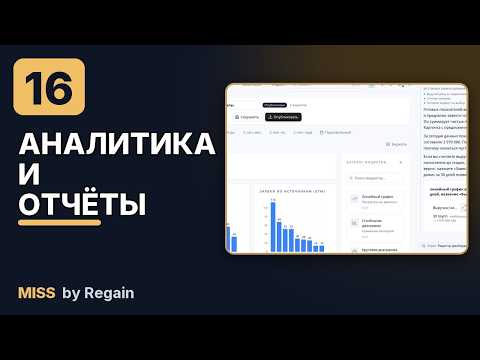
Business intelligence module: dashboard constructor, a metric catalog built on database queries, report scheduler, Cortex adds widgets via natural-language prompt.

A marketer builds an application form: the internal name is seen only by staff, the heading and text are what the client sees, and the field list marks which fields are required. The «Code» button gives a ready snippet for the clinic's website, copied with one button, and the form adjusts its own height; a QR code opens the same form and can be printed on a leaflet, while the company link marks the application with its source and company. An application sent through the link appears in leads, in the «New» column; the card shows where and when the lead came from, and the «Book an appointment» button leads straight to booking. All people are simulated, the data is synthetic.

Document formalizer: a marketer sets up the clinic's printed letterhead — ready templates in Russian, English and Uzbek, a copy of the built-in template with a place for the clinic's seal and the logo on every page, custom sections, a live preview and a check before publishing. Then the doctor works in the visit chart: picks the primary diagnosis by its ICD-10 code, sees what the printed form still lacks and fills it in; the «Fix text» button checks spelling and grammar, every edit is shown separately, and edits to numbers, doses, units and negations are switched off. Finishing the visit opens a review window with a live preview of the chosen letterhead: the doctor signs exactly that and downloads the PDF for the patient, while the AI checks the document against the chart in the background. All people are simulated, the data is synthetic.


The patient books a video visit in the app and the doctor sees them over video. After the call, the chart draft fills itself from the recording; the doctor checks and signs it, and the patient sees the visit as completed.
Patient
The same visit from the patient side: schedule, results, payment, and messaging.
The Clinic module: a branching symptom questionnaire, lab-result upload, a red-flag check that runs before any AI analysis, a report carrying a working theory and the list of ruled-out explanations, a plan for today, and booking a video consultation.
The Protocol module: a single daily timeline of time-slotted tasks, one-tap completion, photo logging for meals, a workout timer, a library of ready-made protocols under Discover, and recommendations from the Clinic report carried into the plan.